

The Authors Abode Blending Functionality and Style in a Writers Home
We’ve found that the perfect writer’s abode combines functionality with style, ensuring spaces aren’t just beautiful but also highly efficient. By separating work and leisure zones, we boost mental clarity, while ideal lighting and soothing color schemes enhance focus and creativity. Ergonomic furniture, smart technology integration, and effective clutter management further streamline the workspace, reducing physical strain and minimizing distractions.
Ample storage options use vertical space wisely, keeping essentials within reach. We focus efforts on creating environments that not only inspire but adapt seamlessly to your writing needs, paving the way for you to discover new productivity heights.
Designing the Perfect Workspace
Creating an ideal workspace begins by considering how each element influences our creativity and productivity. We need to think about the overall layout, the lighting, and even the colors we choose. Let’s explore how these aspects can make or break our work haven.
First, consider the layout of your space. It’s essential to have a clear separation between work areas and leisure zones. This separation not only helps mentally prepare us for work but also guarantees we’re keeping our work stress contained, enhancing both safety and focus. We recommend designing a layout that allows for easy movement and minimal distractions.

Next, let’s talk about lighting. Ideal lighting isn’t just good for our eyes; it can greatly affect our mood and energy levels. Natural light is best, but if that’s not an option, choosing full-spectrum light bulbs can mimic daylight, reducing eye strain and fatigue.
Lastly, the color palette of your workspace can influence your psychological state. Soft, neutral colors or calming blues and greens can reduce anxiety and increase focus. Avoid overly vibrant colors that might be distracting or unsettling.
Selecting the Right Furniture
After considering the layout, lighting, and color of your workspace, the next step is selecting the right furniture to complement these elements. We must choose pieces that not only enhance the aesthetic but also guarantee our comfort and safety during those long hours of writing.
Firstly, opt for an ergonomically designed chair that supports your back and encourages good posture. A chair with adjustable height and tilt can adapt to your body’s needs, preventing strain or injury. It’s essential to prioritize these features to maintain your health and enhance productivity.
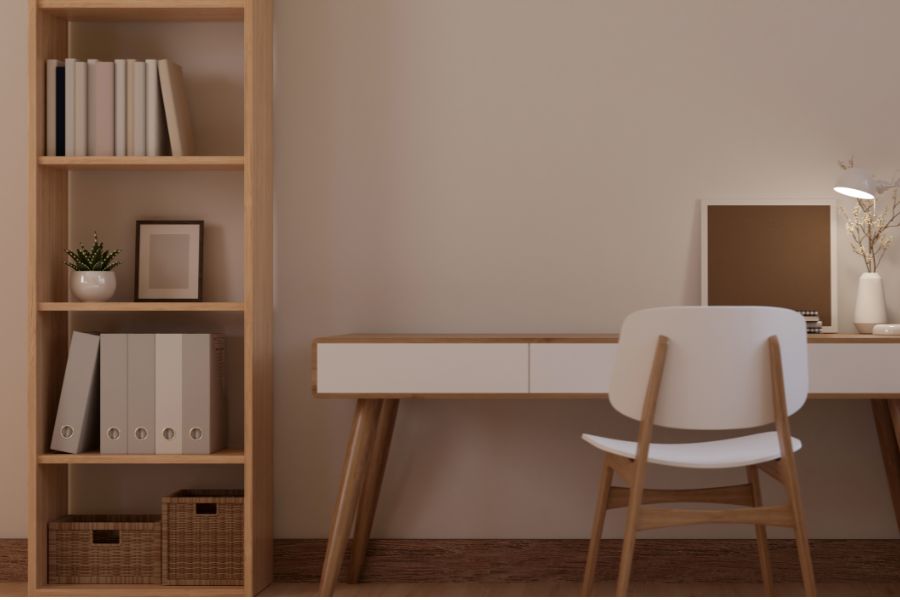
Next, consider a desk that fits well into your designated space while offering enough surface area for your computer, books, and notepads. Look for desks with rounded corners and stable, durable construction to avoid accidents and confirm they can support the weight of your essential items safely.
Storage solutions are equally important. Select cabinets and shelves that are sturdy and easy to access. This organization aids in keeping your workspace tidy and stress-free, which in turn fosters a safer and more productive writing environment.
Optimizing Natural Light
Optimizing natural light enhances both the aesthetics and functionality of your writing space. We recognize that, as a writer, you crave a setting not just safe and comfortable but also one that sparks creativity. By maximizing natural light, we not only reduce the strain on your eyes but also create a serene atmosphere that’s vital for your mental well-being.
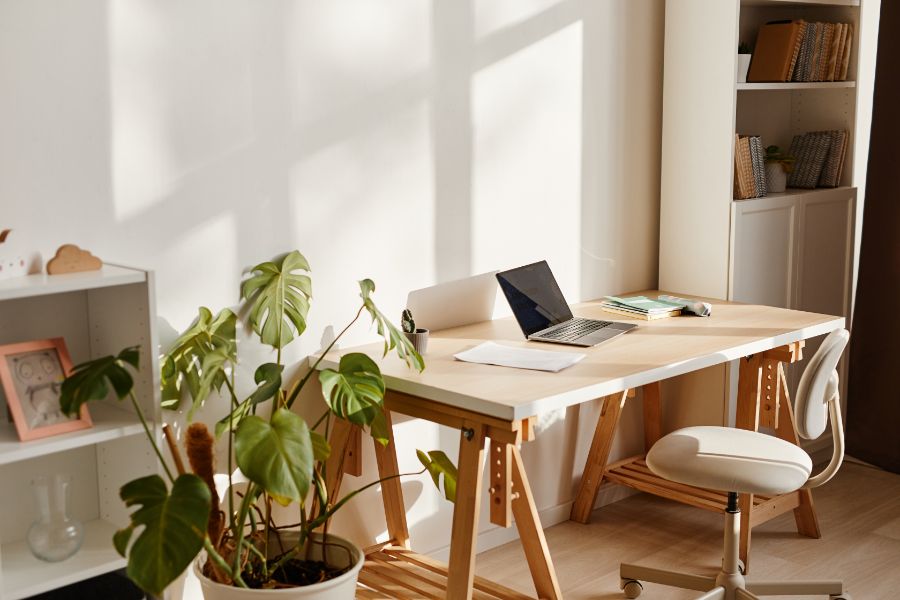
To achieve this, we recommend positioning your desk near windows. This setup not only bathes your workspace in daylight, reducing the need for harsh artificial lighting but also provides a view that can inspire your writing. However, it’s important to manage the amount of light coming in. Using adjustable window treatments like blinds or sheer curtains allows you to control brightness and minimize glare, which is essential for both comfort and eye health.
Moreover, consider the color palette of your room. Lighter colors reflect natural light better, making your space feel brighter and larger. A fresh coat of paint in a soft hue can do wonders.
Integrating Technology Seamlessly
As we shift from natural light optimization to technology integration, it’s essential to evaluate how modern tools can enhance your writing space without causing distraction. We’re here to guarantee that technology serves as a silent partner in your creative process, not a source of interference.
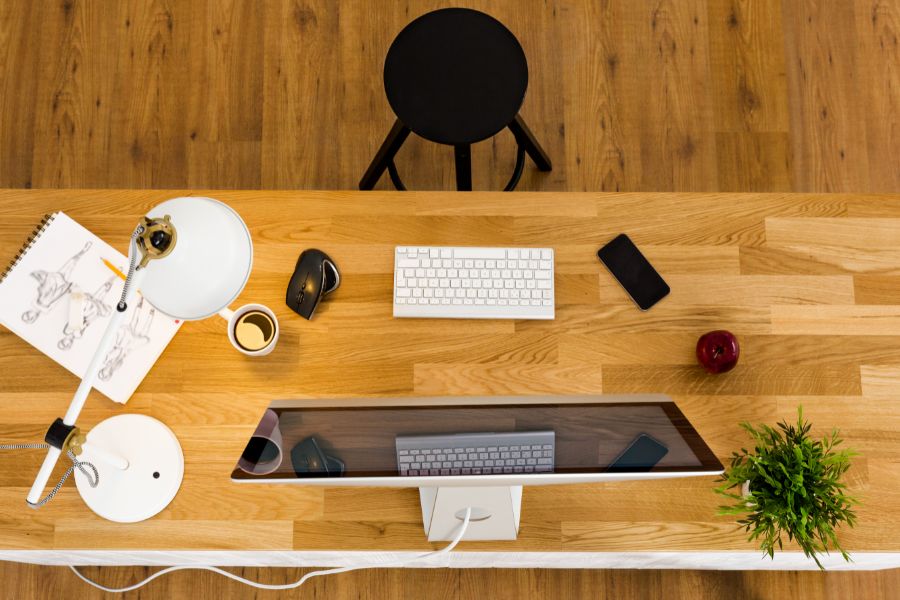
Integrating technology seamlessly means focusing on tools that are intuitive and promote safety. Here’s how you can achieve a harmoniously tech-enabled workspace:
- Smart Lighting: Install dimmable, smart LED lights that adjust to the time of day, reducing eye strain and mimicking the natural progression of light. This creates a soothing environment that fosters concentration.
- Cable Management Solutions: Use cable organizers and cord covers to keep your space tidy and prevent tripping hazards. A clean workspace promotes a clear mind.
- Ergonomic Enhancements: Choose adjustable desks and chairs with proper lumbar support. This not only boosts comfort but also minimizes the risk of posture-related injuries, guaranteeing you can write comfortably for hours.
Utilizing Vertical Space
We’re turning our focus upward to maximize every inch of your writing sanctuary by utilizing vertical space. Shelves aren’t just for books; they’re strategic assets in tight spaces. Imagine sleek, floating shelves above your desk—perfect for organizing reference materials and essential documents within easy reach. This not only clears your workspace but also keeps important items accessible, enhancing your productivity and safety by reducing clutter.
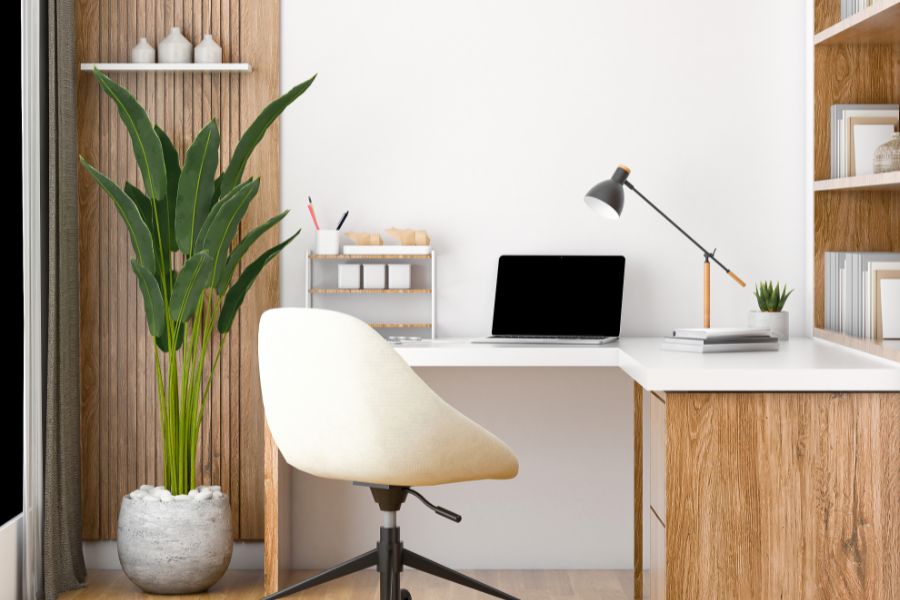
Consider a tall, narrow bookcase. It offers substantial storage without sacrificing valuable floor space. By selecting a unit with adjustable shelves, you can customize storage to fit items of varying sizes, guaranteeing everything has a place. This customization reduces the risk of top-heavy furniture, a common safety hazard, by allowing heavier items to be stored lower down.
Don’t overlook the potential of wall-mounted organizers. These can hold everything from writing utensils to notebooks, segmenting your tools in a clear, orderly fashion. Keeping sharp objects like scissors in a secure wall holder instead of a desk drawer ensures they’re safely stowed yet readily available.
Adding Personal Artistic Touches
While organizing your space vertically opens up your physical environment, infusing your writing area with personal artistic touches truly brings it to life. Let’s celebrate the essence of creativity by weaving your individuality into every corner. Here’s how we can make your workspace not only functional but also deeply personal and inspiring.
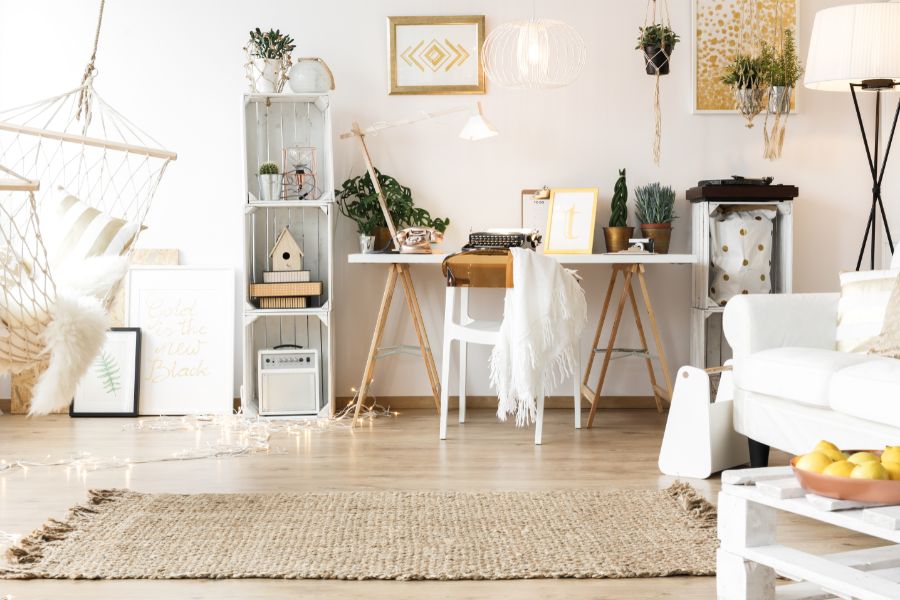
- Curated Art Pieces: Choose artwork that resonates with your writing themes or personal tastes. Whether it’s calming landscapes, abstract designs, or portraits that spark creativity, these visuals set a thoughtful backdrop for storytelling.
- Inspirational Quotes: Frame and hang your favorite motivational quotes where you can always see them. They’ll serve as gentle nudges to keep your spirits high and your ideas flowing, ensuring a safe harbor for your thoughts.
- Customized Stationery: Invest in personalized stationery items like notepads, pens, and organizers. These not only brighten up your workspace but also make the act of writing feel more intimate and enjoyable.
We believe that your workspace should be a reflection of who you are. By adding these personal touches, you’ll not only enrich your space aesthetically but also craft an environment that feels safe and conducive to your writing journey.
Creating a Comfort Zone
Creating a comfort zone in your writing space is essential for maintaining focus and sparking creativity. As we explore how to achieve this, let’s focus on the elements that make a space inviting and conducive to writing.
Firstly, consider the sensory impact of your environment. Soft, ambient lighting not only reduces strain on your eyes but also sets a calm, serene mood. Opt for warm, adjustable lighting solutions that allow you to control the intensity based on the time of day and your specific needs.
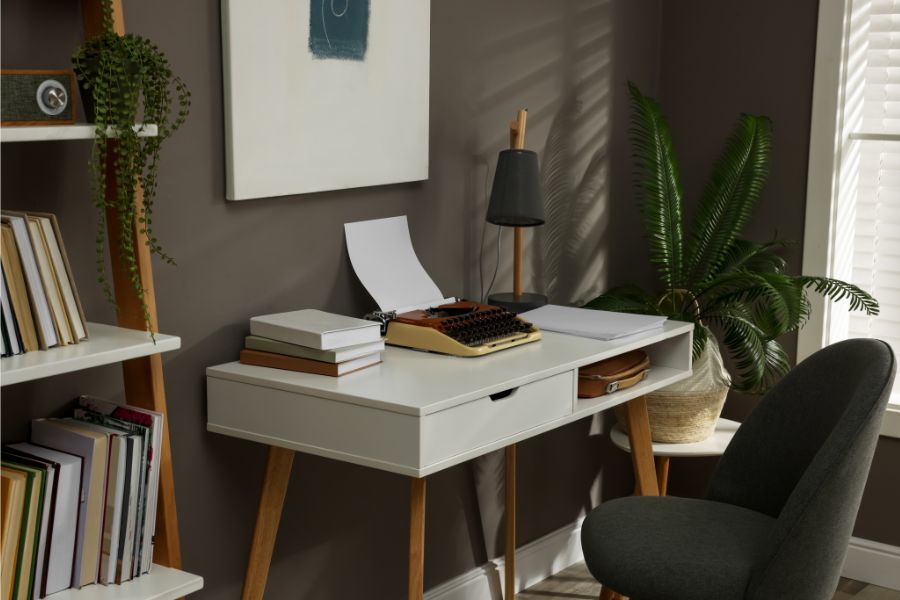
Next, the choice of furniture plays a pivotal role. Invest in an ergonomic chair that supports your back and encourages good posture. Pair this with a desk that complements your height and working style. This isn’t just about comfort; it’s about preventing long-term health issues that could arise from poor posture and inadequate support.
Temperature control is another key aspect. Make sure that your heating and cooling systems are easily adjustable. A space that’s too hot or too cold can distract you and detract from your writing.
Organizing for Maximum Efficiency
After setting up a comfortable and supportive physical space, let’s focus on optimizing your writing environment for maximum productivity. We understand that clutter can be a subtle thief of focus, stealing away precious creative energy. Let’s counter that by organizing our space effectively.
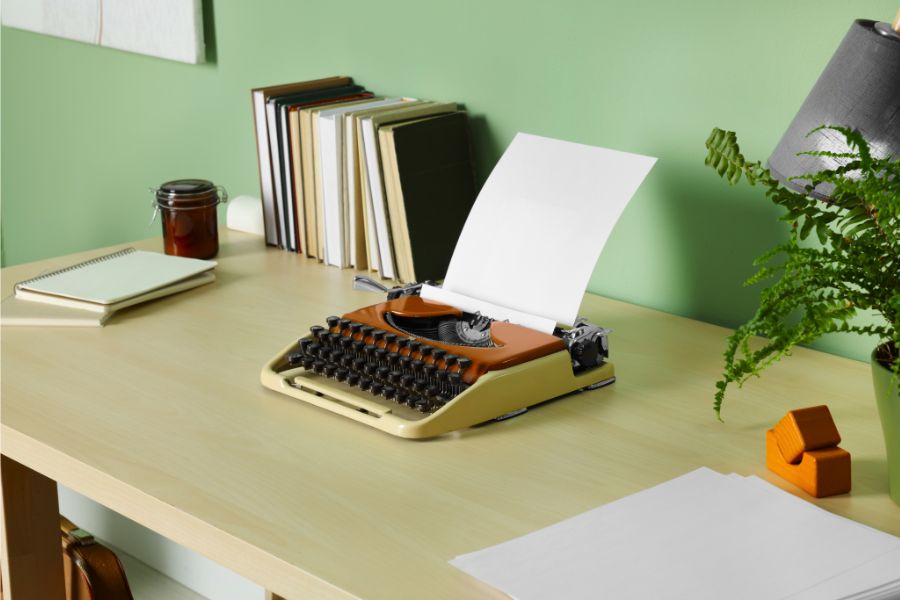
To make the most out of our environment, we’ll prioritize:
- Declutter Regularly: Keep only what you need within arm’s reach. This minimizes distractions and fosters a clear mind. Regularly evaluate what’s on your desk and shelves, keeping only the essentials.
- Use Smart Storage Solutions: Opt for furniture that doubles as storage. Think of under-desk drawers and bookcases with compartments. This keeps your tools handy but out of sight, maintaining a clean line of sight which is vital for uninterrupted thinking.
- Establish a Workflow System: Set up a system that guides your daily routine. This could be as simple as having specific places for incoming tasks, ongoing projects, and completed works. Organize these areas in a logical sequence to streamline your process and save time.