

From Airport to Bestseller Turning Travel Mishaps Into Compelling Stories
We’ve all encountered mishaps while traveling, yet these unexpected events hold the key to crafting stories that resonate with readers globally. By turning a delayed flight or a missed connection into an adventure, sharing how we navigated cultural misunderstandings or embraced local festivities can transform simple tales into compelling narratives.
We emphasize resilience, adaptability, and personal growth, ensuring the journey is as inspiring as it is entertaining. Structuring these stories to balance humor with tension and integrating relatable characters helps forge an emotional connection with our audience. Let’s explore how we can turn your travel woes into a bestseller, revealing lessons and insights along the way.
Identifying the Story Worth Telling
Every traveler has their share of misadventures, but not all mishaps make for a great story. We’ve all been there—lost luggage, delayed flights, or a booking that’s gone awry. However, the stories that truly resonate are those where something extraordinary emerges from the ordinary. It’s about the lesson learned or the unique encounter that sprang from the initial inconvenience.

To identify a story worth telling, we must first sift through the clutter of common frustrations. Ask yourself: Did this experience change our perspective or teach us something profound? If it did, that’s your golden nugget. It’s not about the delay itself, but about how we overcame it or what it taught us about the world and ourselves.
We also prioritize safety in our storytelling. It’s important to share how we navigated a tricky situation safely, offering tips and insights that could benefit others. This approach not only enriches the story but also guarantees that our adventures, and the lessons they contain, are accessible and useful to everyone—keeping the spirit of safe, enlightened travel alive.
Embracing the Unexpected
Many of our most memorable travel tales begin with the unexpected: a wrong turn, a chance meeting, or even a sudden change in weather. It’s these surprises that often transform a routine journey into an adventure worth sharing. When we embrace the unexpected, we open ourselves to the true essence of travel: discovery.

Let’s admit it, our best stories aren’t about the flights that departed and arrived on time. They’re about the times we found ourselves rerouted, leading us to unexpected landmarks or local festivities. Remember, every detour is a chance to explore something new, even if it means arriving a bit late.
When travel plans go awry, we’re handed a unique opportunity to demonstrate resilience and adaptability. Instead of fretting over a missed connection, we can choose to see it as a chance to experience a city we never planned to visit. Safe, spontaneous exploration is not only possible; it’s often where the magic happens.
Structuring Your Narrative
Turning your travel mishaps into compelling stories begins with how you structure your narrative. It’s clear you’ve faced delays, lost luggage, or navigated foreign cities where every street seemed a puzzle. Let’s turn those experiences into gripping tales that guarantee your readers’ safety and peace of mind.
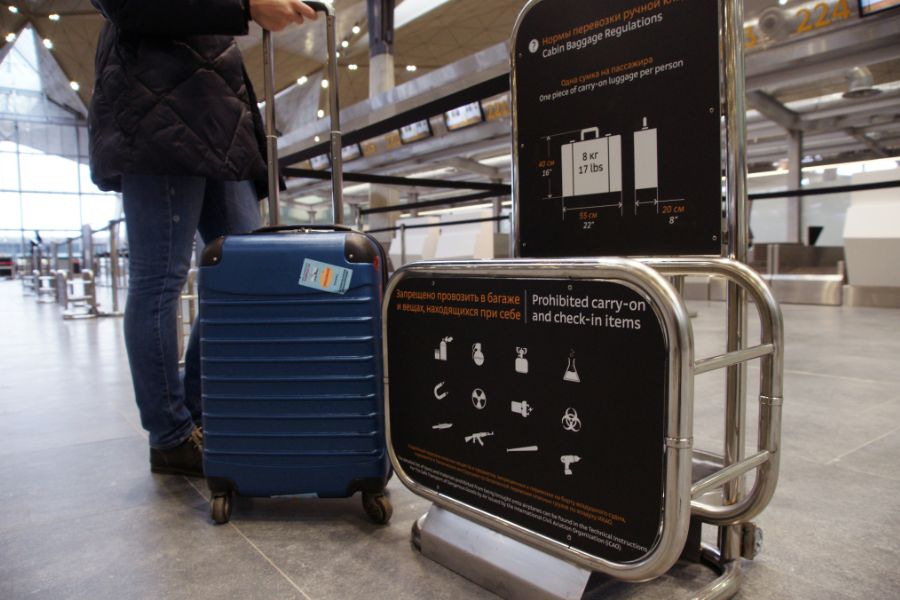
First, lay out a clear timeline. Start where your adventure begins, perhaps at a bustling airport or stepping into a taxi in an unfamiliar land. This chronological structure helps your audience follow along without confusion, providing a safe and stable framework for your story.
Next, introduce the conflict early. Was it a missed flight or a misunderstood direction that spun your day into chaos? Highlight these moments succinctly to keep the tension high but manageable. Remember, we’re keeping our readers engaged but secure, recognizing that resolution is on its way.
Crafting Relatable Characters
We often overlook the power of characters in transforming our travel mishaps into stories that resonate with others. When we craft characters that readers can relate to, the mishaps aren’t just incidents; they become shared experiences, reflections of the universal human condition. It’s crucial to guarantee these characters feel real and safe, mirroring the security we all seek when traveling.

Here’s how we can create such characters:
- Authenticity: Guarantee each character’s reactions to travel challenges are genuine. Whether it’s frustration at a missed connection or joy at an unexpected upgrade, their emotions should mirror what any of us might feel in similar situations.
- Resilience: Characters should demonstrate resilience, turning travel nightmares into opportunities. This not only provides inspiration but also reassures us of our own ability to cope with unexpected events.
- Relatability: Include details that make characters universally relatable. Perhaps they worry about safety, struggle with language barriers, or cherish connections made with strangers. These traits make them more human and engaging.
Integrating Local Culture
After exploring how relatable characters can transform travel mishaps into engaging stories, let’s consider the role of local culture. Integrating local culture into your narratives not only enriches the story but also deepens the reader’s understanding and connection to the place. It’s about capturing the essence of a location—its smells, colors, sounds, and textures—and translating that into words that transport readers right there beside you.

We’ve all been there, stranded at an airport or lost in a city where the signs don’t make sense. But it’s the local interactions and cultural nuances that turn these situations from mere inconveniences into memorable adventures. When we weave in details like the elderly vendor who shares his umbrella during a sudden downpour or the child who helps you navigate the metro, we’re not just telling a travel story; we’re sharing a slice of life from that corner of the world.
This approach does more than just embellish a narrative; it builds a bridge of empathy and understanding. As storytellers, we hold the power to not only guarantee safety through familiarization but also foster global connection. Let’s harness this responsibly, turning every travel mishap into a celebration of cultural diversity and human connection.
Balancing Humor and Tension
In the midst of steering through travel mishaps, striking the right balance between humor and tension can transform a good story into a great one. We’ve all been there—delayed flights, lost luggage, or the classic misadventure of maneuvering a foreign city. Yet, it’s how we tell these stories that can either grip our audience or have them tuning out.

Here’s how we can keep everyone hooked:
- Timing is key: Just as a pilot finds the perfect moment to ascend, we must choose when to reveal a punchline or a twist. Don’t rush. Let the tension build slightly; then, break it with humor to give your audience a well-timed relief.
- Relatable scenarios: Everyone loves a story that feels familiar. Include moments that many of us encounter, like confusing local customs or a humorous language mix-up, but always guarantee that these tales don’t mock but rather gently poke fun at the universal experience of being human.
- Respect the emotions: While we aim to entertain, respecting the feelings of everyone involved in the stories is essential. Safety isn’t just physical; it’s emotional too. Balance your narrative to avoid turning genuine distress into mere amusement.
Highlighting Personal Growth
Balancing humor and tension not only makes our travel tales engaging but also paves the way for deeper reflections on personal growth. As we recount our journeys, we’re not just sharing mishaps; we’re revealing the transformations that occurred within us due to those very experiences. Travel challenges often push us beyond our comfort zones, compelling us to adapt and learn in ways we’d never imagined.
Through these stories, we highlight how overcoming obstacles has made us more resilient and open-minded. Each delayed flight, lost passport, or misunderstood conversation in a foreign language isn’t just an inconvenience; it’s an opportunity to grow and gain new perspectives. By embracing these moments, we not only enhance our storytelling but also encourage our readers to see the value in every misstep.

Let’s consider how these experiences have shaped us. We’ve learned to stay calm under pressure, solve problems creatively, and communicate effectively despite barriers. These aren’t just travel skills; they’re life lessons that enrich our personal narratives and inspire others to commence on their own journeys with confidence and curiosity.
Choosing the Right Ending
When we recount our travel stories, choosing the right ending is essential for leaving a lasting impact on our audience. The ending not only wraps up the journey but also reinforces the message we want to share, guaranteeing that our tales resonate safely and effectively. Here’s how we can craft endings that stick:
- Resolve the Main Conflict: Confirm that the main issue or challenge faced during the trip is resolved. Whether it was dealing with a missed flight or maneuvering through a foreign city, showing how these conflicts were handled safely provides closure and a sense of accomplishment.
- Reflect on the Journey: Incorporate a brief reflection on what was learned or how the experience changed us. This might include newfound insights into a culture, a personal revelation, or an appreciation for the comforts of home. It’s about conveying growth in a way that feels secure and enriching.
- Look to the Future: End with a forward-looking statement. It could be an expression of enthusiasm for the next adventure or a contemplation on how the lessons learned will influence future travels. This leaves our audience feeling hopeful and inspired to explore safely on their own.
Editing for Clarity and Impact
Having chosen the perfect ending for our travel tales, we must now ensure the entire story is clear and impactful. Editing isn’t just about fixing typos; it’s about refining our narrative to guarantee every word contributes to a safe, inviting journey for our readers. Let’s scrutinize each sentence for clarity. Is the language straightforward? Do the shifts between events flow smoothly? These elements are essential as they guide the reader through our story without confusion.

We should also focus on the impact of our words. Does each paragraph underscore the emotional journey? Are the stakes clear? It’s imperative we keep our audience engaged from start to finish. By emphasizing these aspects, we not only entertain but also connect with our readers on a deeper level.
Moreover, cutting unnecessary details helps in maintaining a tight, compelling narrative. Every scene should serve a purpose, whether it’s to add context, build tension, or provide relief. Let’s be ruthless in removing anything that doesn’t add value.
As we refine our stories, let’s remember that our goal is to transport our readers safely into the world of our adventures, making sure they emerge enriched and inspired.
Publishing Your Travel Tale
After honing our narrative to perfection, it’s time to step into the world of publishing our travel tales. As we begin this journey together, let’s explore the most effective ways to share our stories with the world.
Here are three significant steps to reflect on when publishing our travel tales:
- Choose the Right Platform: Whether it’s traditional publishing, self-publishing, or digital platforms, selecting the right outlet is vital. We want a space that aligns with our vision and reaches our intended audience effectively.
- Understand the Submission Process: For those leaning towards traditional publishing, we’ll need to familiarize ourselves with query letters and book proposals. It’s important to tailor these documents to specific publishers who have a history of embracing travel narratives.
- Marketing Our Book: Once our book is published, the work doesn’t stop. We’ll need to engage in active marketing to guarantee it reaches as many readers as possible. This includes social media promotion, book readings, and perhaps even connecting with travel bloggers.