

Literary Landscapes Exploring Real World Settings That Inspired Classic Novels
We’ll journey through the lush Yorkshire Moors of “Wuthering Heights,” the gritty streets of Dickens’ Victorian London, and the vibrant scenes of Paris in Fitzgerald’s “Tender Is the Night.” These aren’t just settings; they’re powerful forces that shape stories and reveal deep insights about the characters living within them.
From the oppressive heat of Faulkner’s Mississippi affecting the psyche of its residents to the economic struggles depicted through Steinbeck’s Californian landscapes, each location is meticulously chosen to enhance the narrative’s impact. We’re just scratching the surface—there’s so much more to uncover about how these environments influence the iconic tales they host.
Yorkshire Moors and “Wuthering Heights”
The haunting allure of the Yorkshire Moors, immortalized in Emily Brontë’s “Wuthering Heights,” sets a brooding backdrop that’s integral to the novel’s turbulent romance. As we explore this rugged landscape, it’s clear that the wild and untamed nature mirrors the complex relationships within the story. The Moors are not just a setting but a character in their own right, shaping the mood and actions of the characters who traverse them.
Visiting the Moors, we’re enveloped in a sense of timelessness and isolation. It’s easy to see how Brontë’s upbringing in the area infused her writing with such vivid descriptions of the harsh, yet beautiful terrain. The safety of the Moors lies in their openness; there are no secrets here, only the raw, unbridled forces of nature that demand respect and careful navigation.
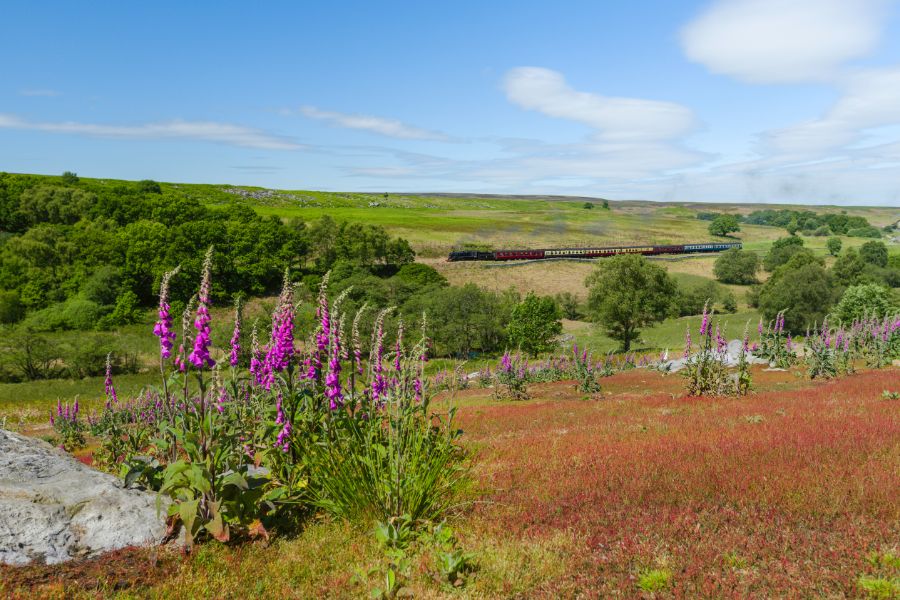
We encourage you to experience the Moors safely, understanding their influence on the novel. There’s a profound peace in walking the same paths that inspired Brontë, provided we respect the natural conditions and local guidelines. In doing so, we not only guarantee our safety but also deepen our connection to this iconic literary setting.
Dickens’ Victorian London
Stepping into Charles Dickens’ depiction of Victorian London, we’re immediately plunged into a world teeming with life and steeped in social commentary. Through his novels, Dickens doesn’t just tell us stories; he shows us the stark contrasts of his era. The bustling streets, foggy alleys, and the vibrant, if sometimes harsh, urban life form a backdrop that’s more than just a setting—it’s a character in its own right.
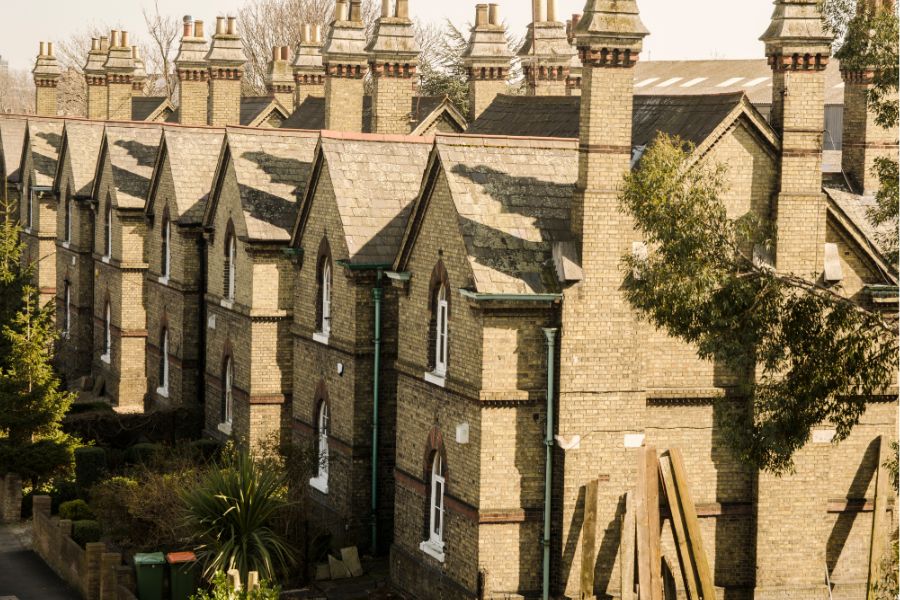
In Dickens’ London, every cobblestone and corner tells a story. Here are a few aspects that make his Victorian London unforgettable:
- The Contrast of Wealth and Poverty: Dickens masterfully illustrates the chasm between the affluent and the destitute. Places like the opulent drawing rooms of the wealthy starkly contrast with the grimy slums inhabited by the poor.
- Vivid Characters: From the cunning Fagin to the pitiful Oliver Twist, the characters are products of their environment, shaped by the city’s merciless inequalities.
- Social Reform Themes: His works often highlight the need for change, advocating for better conditions and kinder treatment of the underprivileged.
Austen’s Regency England
While Dickens invites us to explore the gritty streets of Victorian London, Jane Austen opens a window into a different slice of historical life with her portrayal of Regency England. Here, we stroll through the refined landscapes of manor houses and rolling countryside, a stark contrast to the urban sprawl of Dickens’ setting. Austen’s novels, set during the early 19th century, encapsulate the nuances of social etiquette, the pursuits of romance, and the subtleties of class distinction.
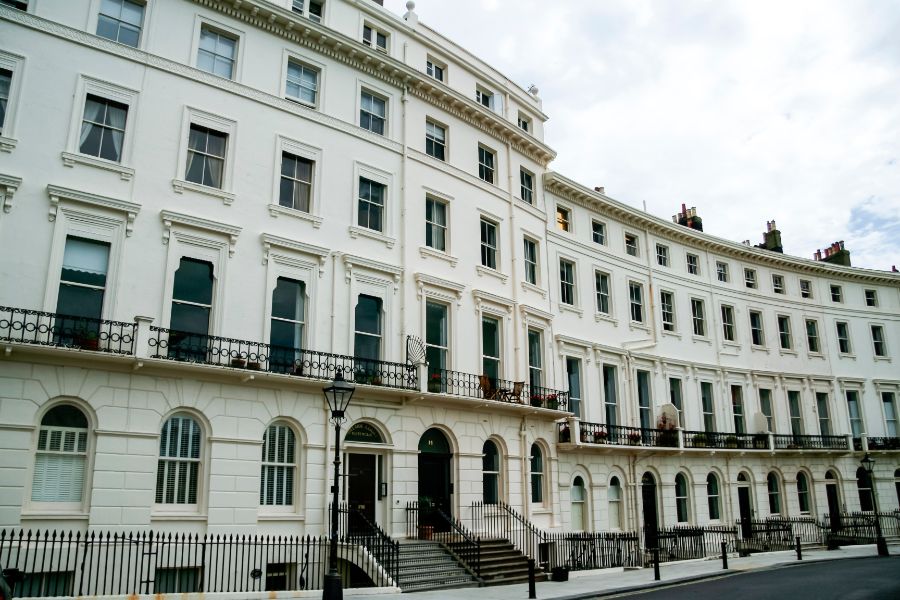
We see characters maneuvering the complexities of societal expectations with wit and irony. The tranquil rural settings and grand estates like Pemberley in “Pride and Prejudice” offer us a safe haven from the harsh realities outside its boundaries. This era, though marked by its own challenges, provides a serene backdrop where the most dramatic conflicts often revolve around social gatherings and whispered conversations in opulent drawing rooms.
Austen’s Regency England, with its emphasis on decorum and propriety, invites us to appreciate the careful dance of dialogue and the strategic matchmaking that defines her characters’ lives. It’s a world where the stakes are personal, and the battlefields are ballrooms, a comforting escape into a well-mannered past.
Faulkner’s Mississippi Settings
As we leave the genteel estates of Austen’s England, we enter the tumultuous world of William Faulkner’s Mississippi, where the settings are as complex as his characters. Faulkner’s fictional Yoknapatawpha County, inspired by his own Lafayette County, serves as a rich tapestry that mirrors the social complexities and historical depth of the American South. This landscape is not just a backdrop but a character in its own right, deeply intertwined with the narratives.
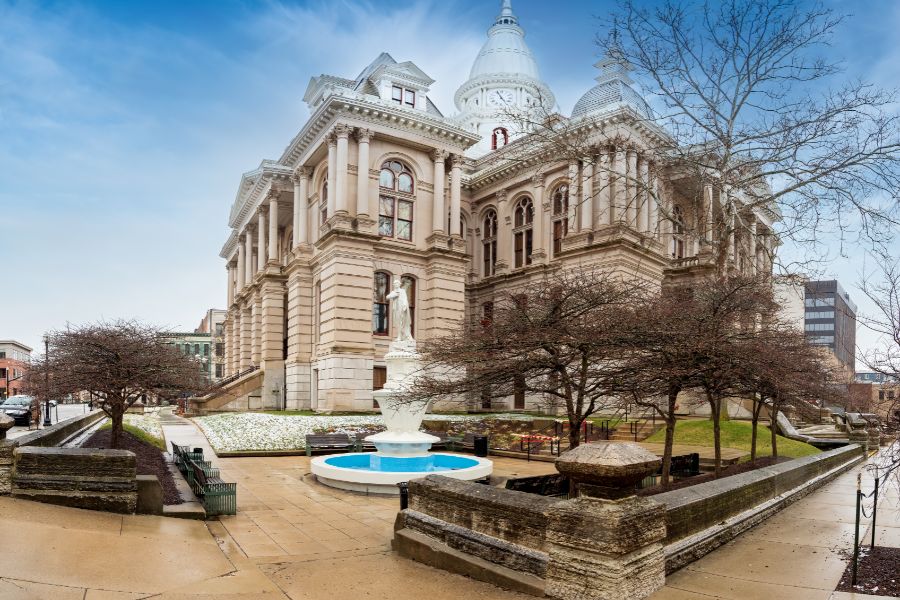
In Faulkner’s works, Mississippi is more than geography; it’s a living, breathing entity:
- Historical Depth: The remnants of the Civil War and the scars of slavery permeate through the soil of Yoknapatawpha, influencing the lives of characters across generations.
- Social Complexity: Faulkner unravels the intricate social hierarchies and racial tensions that define Southern life, making the setting essential to understanding his characters’ motivations and conflicts.
- Psychological Landscape: The oppressive heat and dense foliage mirror the complex psychological states that Faulkner explores, from deep despair to a yearning for redemption.
We find in Faulkner’s Mississippi a place where the past is never truly past, continuously shaping the present. It’s a powerful exploration of place and identity, firmly grounding the profound human dramas Faulkner constructs.
Joyce’s Dublin in “Ulysses”
Moving from Faulkner’s lush Mississippi, we now explore James Joyce’s Dublin, as vividly captured in his masterpiece “Ulysses.” Joyce’s portrayal of Dublin is not merely a setting but a multifaceted character that breathes life into the narrative. Each street and alley tells a story, reflecting the complex identities and histories of its characters.
As we wander through the pages of “Ulysses,” we’re not just reading; we’re walking alongside Leopold Bloom on his day-long journey across the city on June 16, 1904. Dublin, with its bustling streets and quiet corners, becomes a safe haven for introspection and discovery. Joyce’s detailed descriptions make us feel at home, maneuvering through landmarks like the Martello Tower, Sandymount Strand, and Glasnevin Cemetery.
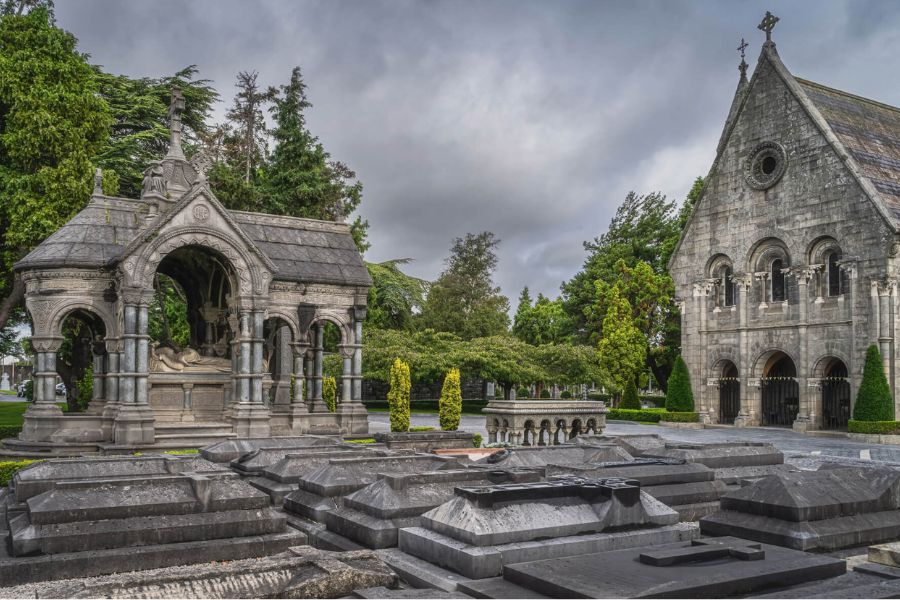
This literary map Joyce crafts isn’t just a backdrop. It invites us to see and feel Dublin as Joyce saw it, capturing the essence of its culture, language, and rhythm. His Dublin is a secure place where personal journeys unfold, driven by the city’s steady, reassuring presence. As readers, we get to experience the safety of being enveloped in Joyce’s world, making “Ulysses” a timeless voyage into the heart of Dublin.
Tolstoy’s Russian Landscapes
Why not journey next into the vast, sweeping landscapes of Russia as portrayed by Leo Tolstoy in his novels? His settings offer more than just a backdrop; they are integral to understanding the emotional and social upheavals his characters endure. Tolstoy’s deep connection to the Russian soil is evident on every page, bringing to life the serenity and the turmoil found within its bounds.
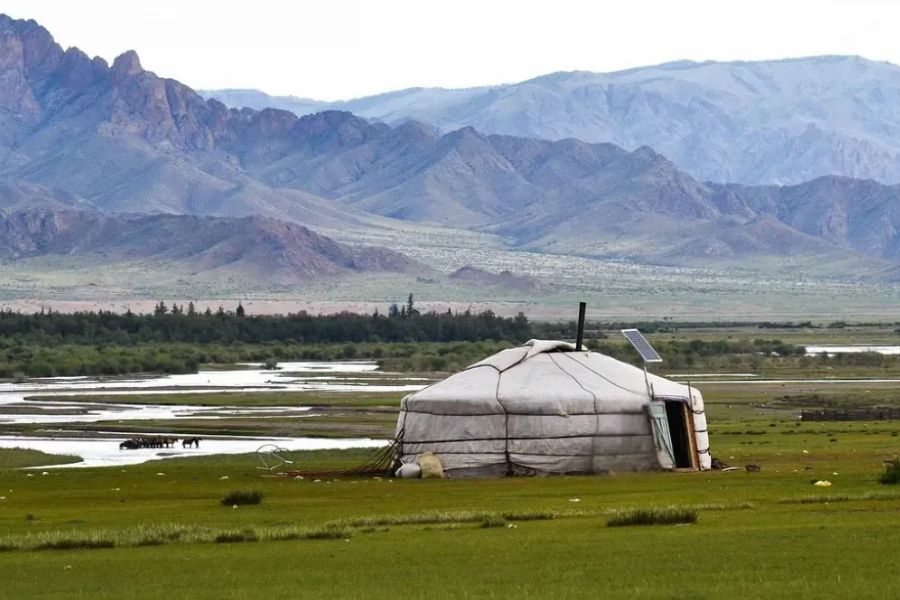
Here are a few ways Tolstoy crafts this vivid scenery:
- Seasonal Shifts: He masterfully uses the changing seasons to mirror the internal transformations of his characters. The harsh Russian winters contrast with the brief, lush summers, symbolizing the stark differences in human fortunes and emotions.
- Rural Landscapes: The vast estates and impoverished villages paint a picture of the socioeconomic divides. This setting allows us to explore deeply into the peasant’s life and the nobility’s opulence, providing an extensive view of Russian society.
- Symbolic Nature: Rivers, forests, and fields are not just scenic; they’re symbolic of freedom, fate, and the passage of time in his narratives.
As we explore these landscapes, we’re not just tourists but companions on a journey through the complex layers of human experience. Tolstoy invites us to see beyond the horizon and into the soul of Russia itself.
Steinbeck’s Californian Context
We now turn our attention to the rich, diverse settings of California as depicted by John Steinbeck in his literary works. Steinbeck’s novels aren’t just tales; they’re an extensive exploration into the heart of early 20th-century Californian life, reflecting both its beauty and its struggles. He captures the essence of the Salinas Valley, the agricultural heartbeat of California, which he affectionately called “the salad bowl of the nation.”
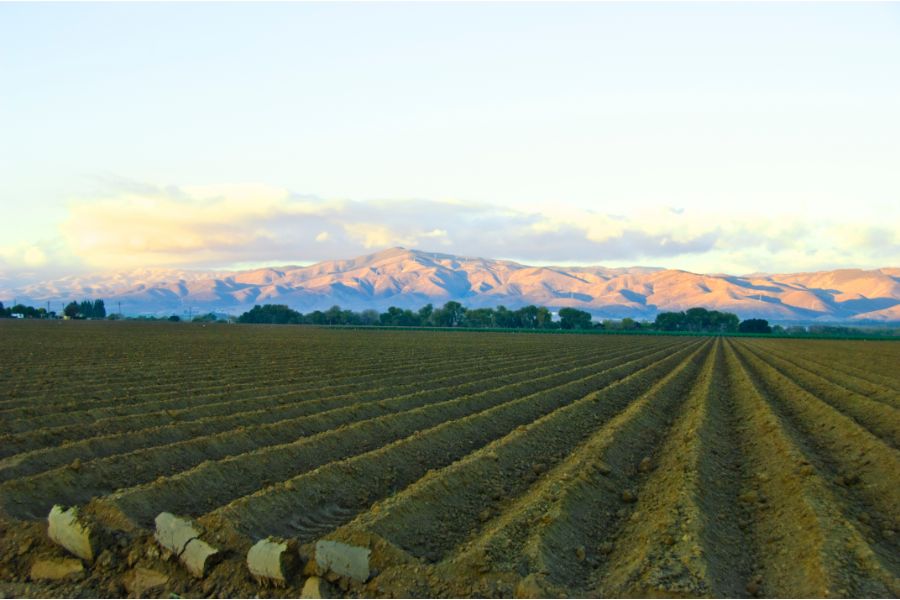
This region forms the backdrop of classics like “East of Eden” and “Of Mice and Men,” where the fertile land serves as a stark contrast to the hardships of the characters. His portrayal of Monterey in “Cannery Row” presents another layer of Californian culture, focusing on the sardine canning industry, which was once the foundation of the town’s economy. Steinbeck introduces us to a community of outcasts and dreamers, each character’s story woven into the fabric of this coastal area, highlighting their struggles and resilience in a time of economic uncertainty.
Through his vivid storytelling, Steinbeck not only brings to life the landscapes and economies of California but also illuminates the human spirit in its quest for survival and meaning. His works invite us to investigate these settings as places of both inspiration and challenge.
The Paris of Fitzgerald’s “Tender Is the Night”
Shifting our focus to F. Scott Fitzgerald’s “Tender Is the Night”, let’s explore the Paris that not only served as a backdrop but also as a character in its own right. Fitzgerald’s portrayal of Paris in the 1920s captures a city that’s both a haven and a battleground for the novel’s characters, reflecting the complexities of their internal and external lives.
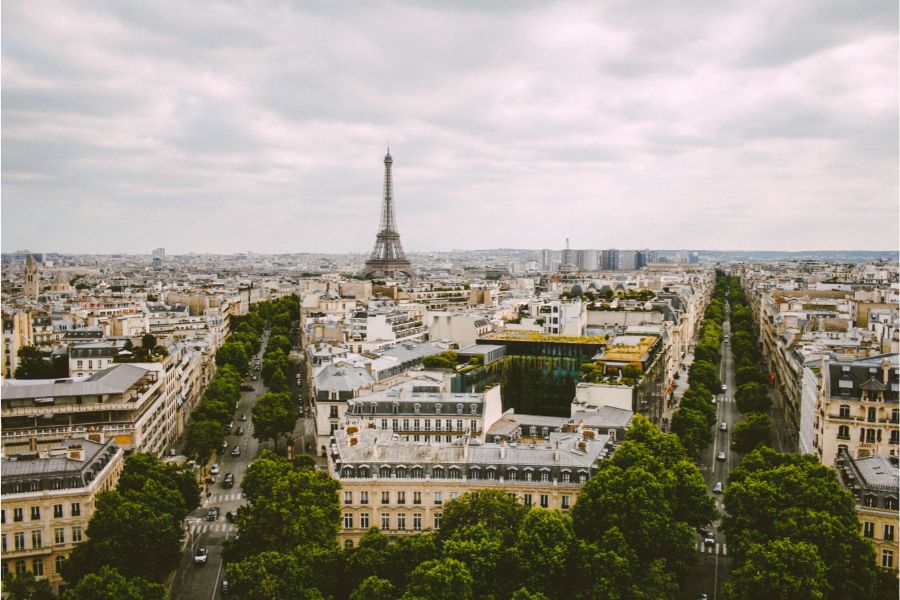
Here’s what makes Paris in “Tender Is the Night” so memorable:
- Cultural Vibrancy: Paris is depicted as a hub of art and culture, bustling with intellectuals and artists. This setting mirrors the characters’ search for meaning and self-discovery amidst their lavish lifestyles.
- Historical Echoes: The city’s rich history haunts the characters, reflecting their own turbulent pasts and uncertain futures. The echoes of the Great War permeate their interactions and decisions.
- Social Dynamics: Paris serves as a playground for the wealthy, where social status can both elevate and isolate individuals. The complex social stratifications influence the characters’ relationships and self-perceptions.
We see how Fitzgerald uses Paris not just as a mere setting but as a reflection of the characters’ turmoil and transformations. It’s a city that offers escape but also confronts them with their realities, making it an integral part of the narrative’s emotional landscape.