Upcycled Tales Breathing New Life Into Vintage Finds for a Storied Home
We’re celebrating the art of upcycling to turn vintage treasures into striking home decor that tells a unique story. By rescuing old pieces from antique shops, flea markets, or estate sales, we’re not only crafting a distinctive aesthetic but also supporting environmental sustainability.
Our journey involves careful restoration using non-abrasive cleaners and vintage-compatible materials to maintain the item’s character and functionality. Whether transforming a dated vanity into a stylish desk or using antique ladders for a creative hanging space, each upcycled piece adds a layer of charm and history to our spaces. Stick with us to uncover more ways these timeless finds can enhance your home.
The Charm of Upcycled Decor
The upcycled decor adds a unique charm to any room, blending history with modern aesthetics. We’ve seen how old, forgotten pieces can transform into stunning focal points. It’s not just about style; it’s about creating a safe, inviting space where every item tells a story.
Upcycling guarantees that we’re not only preserving beautiful craftsmanship but also promoting environmental responsibility. When we choose upcycled furniture, we’re guaranteeing that these pieces meet current safety standards. For instance, repainting old furniture involves using non-toxic, lead-free paints that are safer for our homes and the environment.
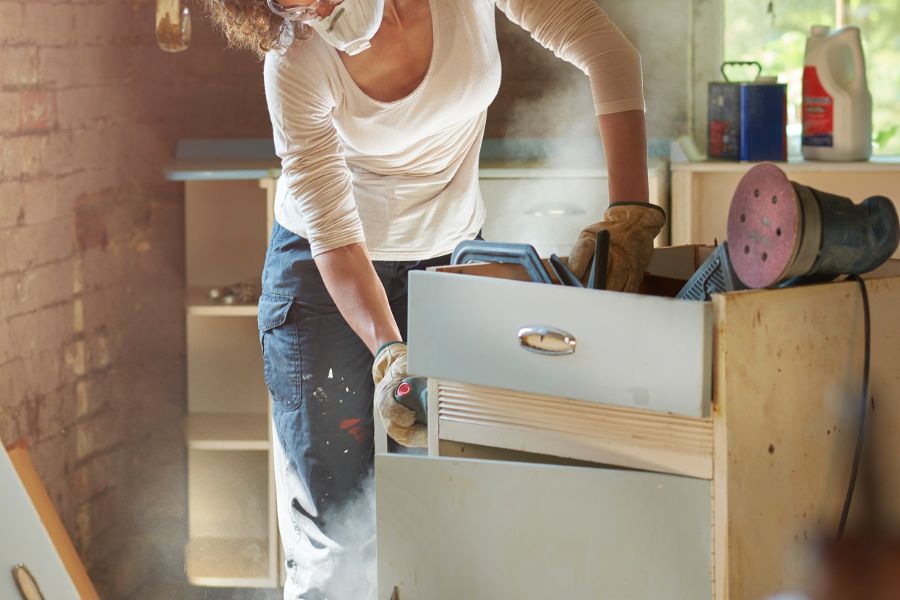
Additionally, by reinforcing old structures, we enhance their durability and functionality, making them safe for everyday use. Moreover, upcycled decor encourages us to invest in quality rather than quantity. It’s about selecting pieces that are well-built from sturdy materials, guaranteeing they stand the test of time.
This approach not only adds aesthetic value to our homes but also fosters a safer living environment by avoiding the pitfalls of flimsy, mass-produced items. Let’s keep embracing upcycled decor, where safety and beauty coexist, crafting a home that’s both charming and secure. Through thoughtful upcycling, we’re building a sustainable future, one piece at a time.
Sourcing Vintage Gems
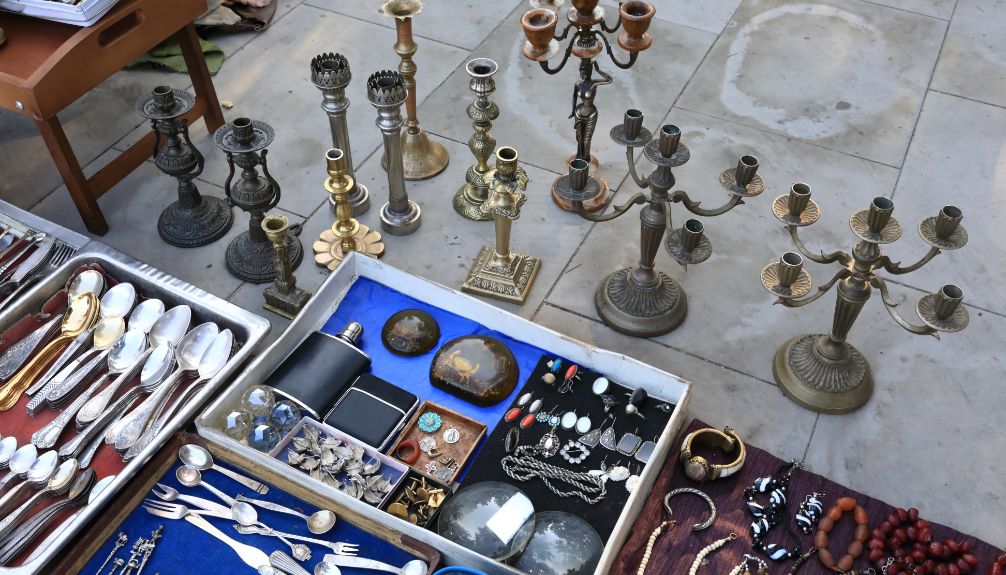
Finding vintage gems often starts with exploring local antique shops, flea markets, and estate sales. We’re on a treasure hunt, where the thrill of the chase is just as exciting as the finds themselves. It’s about stepping into a world where each item has a story, waiting to be told in our homes.
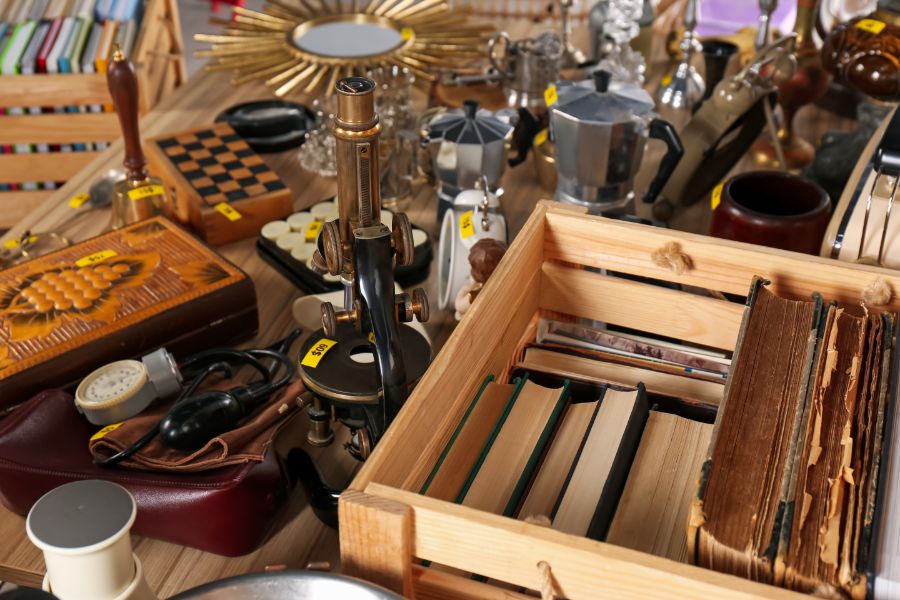
To really immerse ourselves in the hunt, we consider:
- Local Antique Shops: These are treasure troves of unique, often well-preserved items. We guarantee they’re reputable and have a policy for returns or authentications.
- Flea Markets: Here, we find eclectic mixes that require rummaging. It’s a place where negotiation is expected and safety in transactions is essential.
- Estate Sales: These sales often contain well-cared-for collections. We attend early for the best selection while being mindful of our surroundings.
- Online Marketplaces: Convenient but risky, we opt for sellers with excellent ratings and clear, honest descriptions.
- Auctions: Participating in auctions can be thrilling. We set a budget and stick to it, guaranteeing we don’t get carried away in the excitement.
Techniques for Restoring Antiques
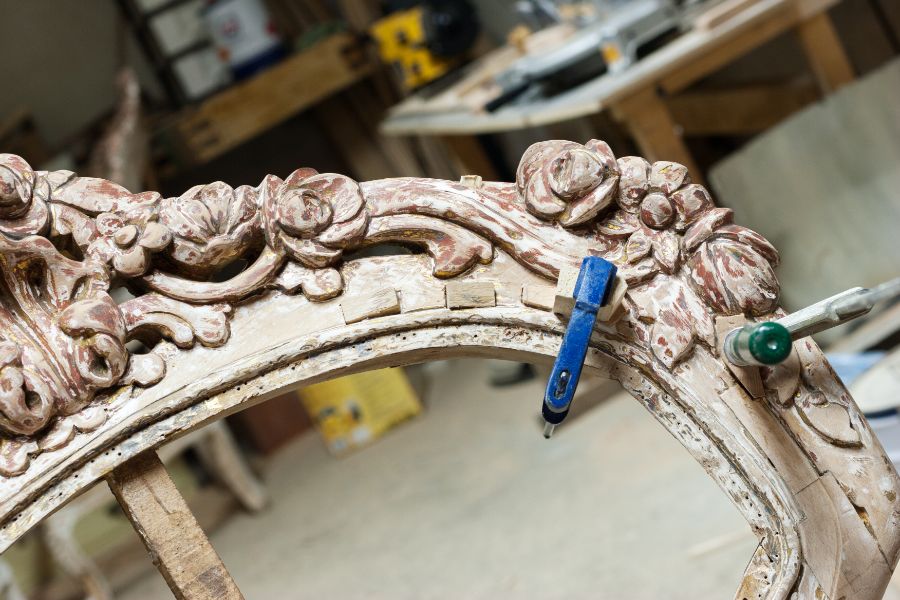
Once we’ve gathered our vintage finds, the next step is restoring them to their former glory. It’s essential to do this safely and effectively, ensuring we preserve the unique character of each piece. First, we assess the condition. Identifying any damage like cracks, chips, or structural weaknesses helps us determine the appropriate restoration technique.
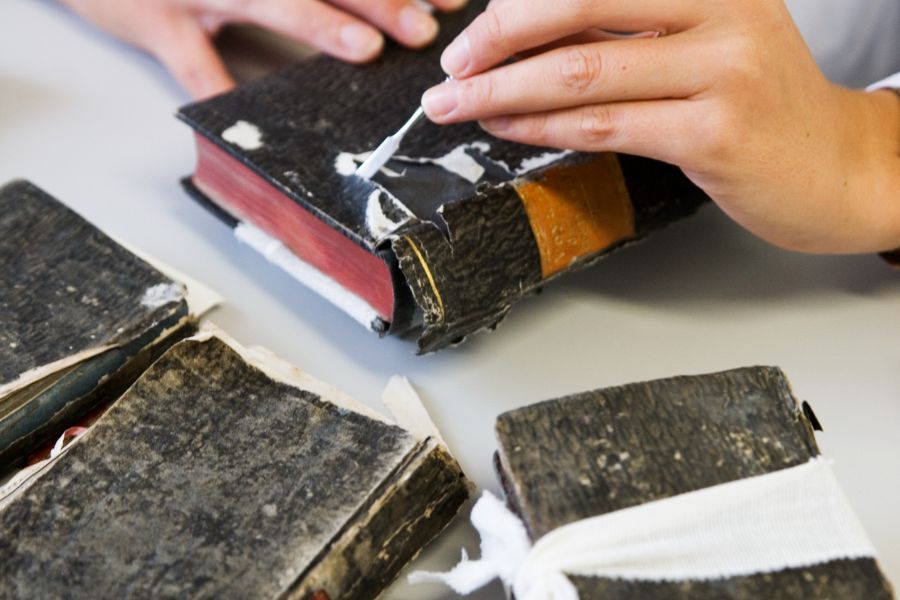
We don’t rush; haste can lead to mistakes. Cleaning is our next focus. We use gentle, non-abrasive cleaners to avoid damaging the surfaces. For wood, a mild soap and water solution often does the trick, followed by a soft cloth to dry.
Metal pieces require a different approach, usually involving a specific polish to prevent corrosion while enhancing their shine. For repairs, we’re careful to use materials that don’t compromise the integrity or look of the antique. This might mean sourcing vintage-compatible parts or using adhesives that are reversible, should future restorers need to undo our work.
Styling Spaces With Upcycled Pieces
After restoring our vintage treasures, we’re ready to integrate these unique pieces into our living spaces. Styling your home with upcycled items isn’t just about placement; it’s about creating a narrative that reflects our personalities and values. We want to inspire you to see your space as a canvas for self-expression.
Here are a few ideas to help you envision the transformation:
- A Vintage Vanity Turned Desk: Imagine a charming, weathered vanity, its intricate wood carvings now hosting your creative workspace.
- Retro Suitcase Stacks as Side Tables: Stack a trio of mid-century suitcases for an instant, quirky side table that also offers hidden storage.
- Distressed Doors as Headboards: A repurposed door, painted and distressed, can serve as a stunning, rustic headboard that truly captures the essence of upcycled charm.
- Old Window Frames as Picture Displays: Hang or lean old window frames against a wall, using the panes to frame family photos or small artworks.
- Antique Ladder for Hanging Textiles: A wooden ladder, propped against a wall, provides a perfect perch for quilts or scarves, adding layers of texture to any room.
The Environmental Impact of Upcycling
Beyond their aesthetic appeal, upcycled pieces have a notable positive impact on the environment. By reimagining and repurposing old items, we’re reducing the volume of discarded materials that often end up in landfills. This not only lessens the strain on our planet’s resources but also decreases the demand for new products, which in turn lowers the energy spent on manufacturing and transportation.
By choosing upcycled goods, we’re also cutting down on emissions of greenhouse gases. Since manufacturing new products typically involves high energy consumption, upcycling considerably reduces the carbon footprint associated with these processes. This is essential for maintaining our planet’s health and ensuring a safer environment for future generations.

Moreover, upcycling encourages a culture of creativity and sustainability that can lead to even more innovative ways to reuse materials. This practice supports local economies as well, as many upcycled items are crafted by artisans and small businesses. We’re not just saving the environment; we’re nurturing a community that values resourcefulness and environmental responsibility.