
Culinary Character Building Developing Your Protagonist Through Their Favorite Dishes
We recognize that delving into a protagonist’s favorite dishes provides incredible insight into their personality, background, and the narratives they carry. By exploring their culinary preferences, we uncover reflections of their heritage, emotional connections, and life philosophies.
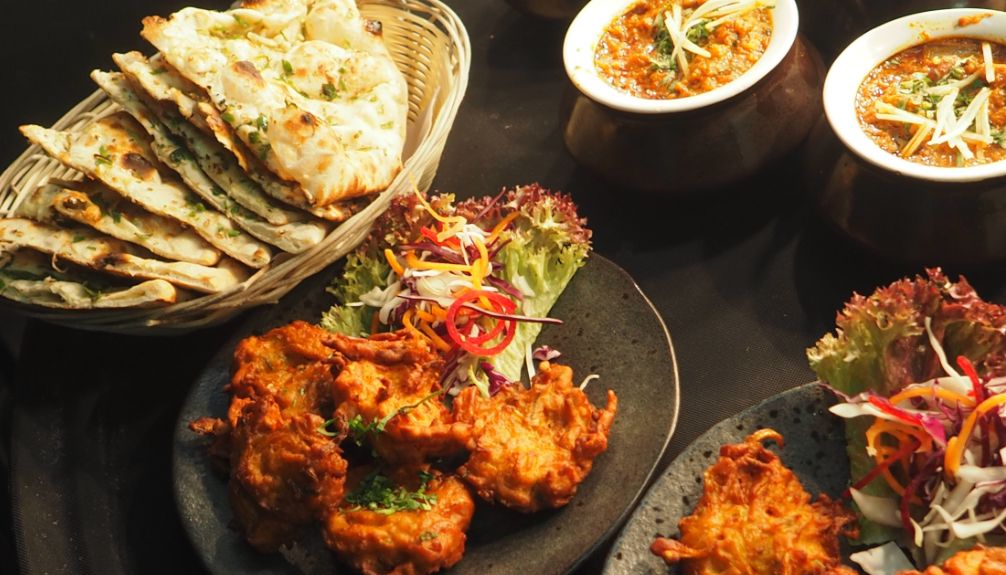
Whether it’s a meticulously arranged plate or a bold, spicy curry, each choice paints a part of a larger story, revealing everything from cultural identity to personal milestones. As we further examine characters’ interactions with food, we see not just who they are, but how their tastes evolve and interact with the world around them, offering us richer layers of character development to explore further.
The Flavor of Personality
In exploring the “Flavor of Personality,” we realize how deeply our culinary preferences reflect our individual traits and experiences. Just as we each have our own identity, our taste in food also tells a unique story about who we are. Isn’t it fascinating that a simple dish can reveal so much about a person’s background, habits, and even aspirations?
Let’s consider how universally comforting a warm bowl of soup can be, yet how varied the ingredients and styles are across cultures. This personalization doesn’t just provide physical safety in knowing what goes into our bodies; it also offers emotional security as we connect with familiar, beloved flavors.
We’re not just what we eat, but how we choose to eat. Think about the meticulousness of a person who prefers a neatly arranged plate to a hearty, mixed casserole. Doesn’t that say something about their approach to life? It’s clear that our food choices can be as telling as the clothes we wear or the music we listen to.
Crafting Identity Through Cuisine
As we immerse ourselves in the world of “Crafting Identity Through Cuisine,” it’s vital to recognize that our food choices do more than satiate hunger—they shape our personal and cultural identity. When we choose a dish, we’re often unknowingly expressing who we are, where we come from, and what matters to us. Our preferences can reveal a narrative of heritage, personal milestones, and even our aspirations.

Let’s consider how this impacts our storytelling. By integrating specific culinary preferences into a character’s profile, we offer readers a flavorful layer of personality that’s both relatable and enriching. It’s not just about what our characters eat, but why they choose it, how they prepare it, and with whom they share it. These details create a vivid, authentic experience that can forge a deeper connection between your protagonist and your audience.
Historical and Cultural Influences
Understanding how historical and cultural influences shape culinary traditions allows us to see the broader context behind our food choices. When we explore the history and culture of a region, we uncover layers that tell us why certain dishes are favored, providing a deeper understanding and a more secure approach to exploring culinary diversity.

Here are key aspects that historically and culturally influence what we eat:
- Geographical Location: The availability of ingredients is largely dictated by climate and terrain. Coastal areas might favor seafood, while mountainous regions could rely more on hearty, storable foods.
- Economic Factors: The wealth or poverty of a region can affect the complexity and ingredients of its cuisine. Austerity often leads to innovation in the kitchen.
- Historical Trade Routes: Exposure to spices and cooking techniques from traders can dramatically change local dishes, merging flavors across borders.
- Colonial Histories: Colonization introduces new ingredients and methods, blending or sometimes replacing local culinary traditions.
- Migration Patterns: Immigrants bring their culinary traditions with them, enriching the local palette and introducing variety that guarantees culinary safety through diversity.
Symbolic Foods and Meanings
Exploring symbolic foods reveals how deeply our culinary choices are intertwined with cultural identity and personal history. When we choose a dish, we often select flavors that resonate with our heritage or signify specific values. For instance, consider the humble bread. Across many cultures, bread symbolizes life and sustenance, making it a powerful emblem in storytelling.
By having a protagonist cherish freshly baked bread, we subtly communicate their appreciation for life’s fundamental joys and their connection to tradition. Similarly, spices like saffron or turmeric aren’t just ingredients; they carry stories of trade, wealth, and status. Integrating these into a character’s favorite dish can hint at their exotic origins or sophisticated palate, enriching their narrative without overt exposition.
We can use such details to craft characters that feel real and grounded in their cultural landscapes. Let’s not overlook celebratory foods either. A character who favors birthday cake or holiday-specific treats reveals their value for family and tradition. These choices build a backstory that resonates with readers, as they too have foods that are emblematic of personal celebrations and safety.
Emotional Connections to Meals
While many foods hold symbolic meaning, it’s the personal memories associated with meals that often stir the deepest emotions. As we explore the layers of a protagonist’s character, examining the meals that connect them to their past can provide profound insights and create a relatable, deeply human narrative.
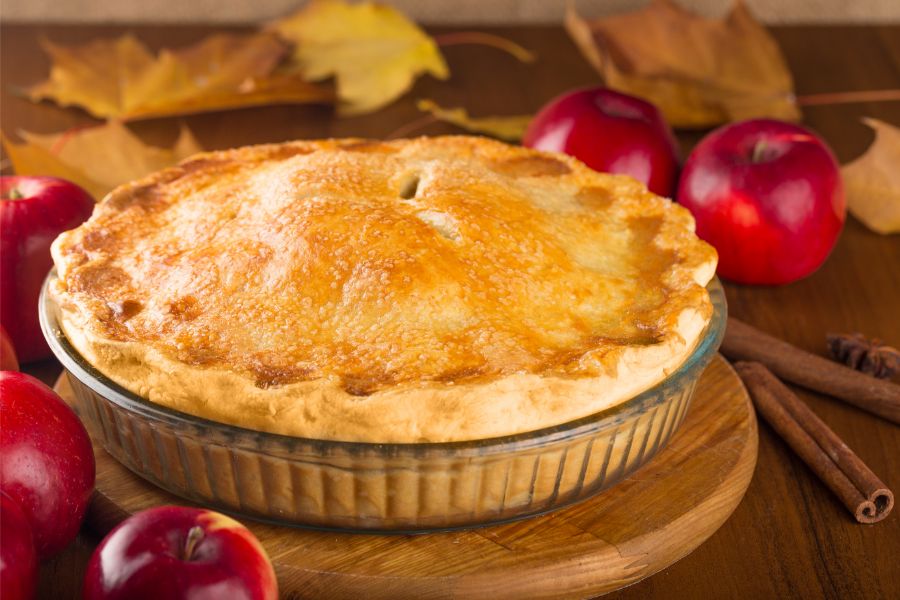
Consider how the following meals might evoke memories and emotions:
- Grandma’s apple pie: Recalls cozy autumn evenings and the safety of childhood.
- Spicy homemade chili: Reminds them of college camaraderie and youthful adventures.
- Freshly baked bread: Brings back early mornings spent with a caring parent in the kitchen.
- Sunday roast dinner: Evokes feelings of family gatherings and the comfort of routine.
- Chocolate birthday cake: Associated with celebrations, joy, and the love of friends and family.
Each dish serves not just as a meal but as a portal to a cherished time and place, safely guiding your readers through the emotional landscape of your characters. By anchoring your protagonist’s experiences in the universal language of food, you invite your audience into a shared space of understanding and empathy.
Cooking Skills and Character Traits
Many of us recognize that a character’s ability to cook can reveal significant traits such as creativity, patience, and resourcefulness. Imagine a protagonist who skillfully layers spices in a curry; this not only showcases their adventurous spirit but also their meticulous attention to detail. When we explore how they handle the challenges of a complex recipe, we’re also peeking into how they might tackle life’s larger hurdles.
A protagonist struggling but persistently perfecting a family bread recipe can mirror their journey towards personal growth or overcoming hardships. Moreover, the way characters approach the kitchen environment can further reflect their personality. A clean, well-organized kitchen might suggest a character’s need for control or order in their life, providing a safe, structured space for readers to relate to or aspire towards.
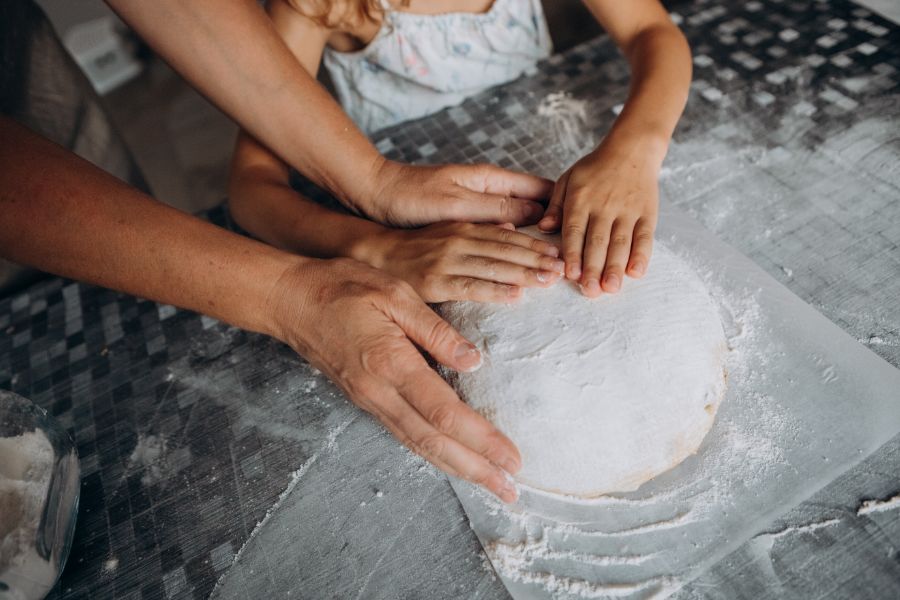
Conversely, a chaotic kitchen could highlight a more spontaneous or flexible nature, appealing to our understanding of human complexity. Ultimately, integrating cooking skills into character development doesn’t just add depth; it offers a relatable and tangible insight into their inner workings. It’s a safe, effective tool in storytelling that enhances the reader’s connection to the character, grounding fantastical narratives in everyday realism.
Social Interactions Around Food
As we shift our focus to “Social Interactions Around Food,” it’s essential to recognize how meals act as more than just sustenance; they’re a dynamic arena for bonding, revealing conflicts, and fostering understanding among characters. Food scenes in stories aren’t just about eating; they provide rich opportunities for interaction where a lot can be revealed about individuals and their relationships.
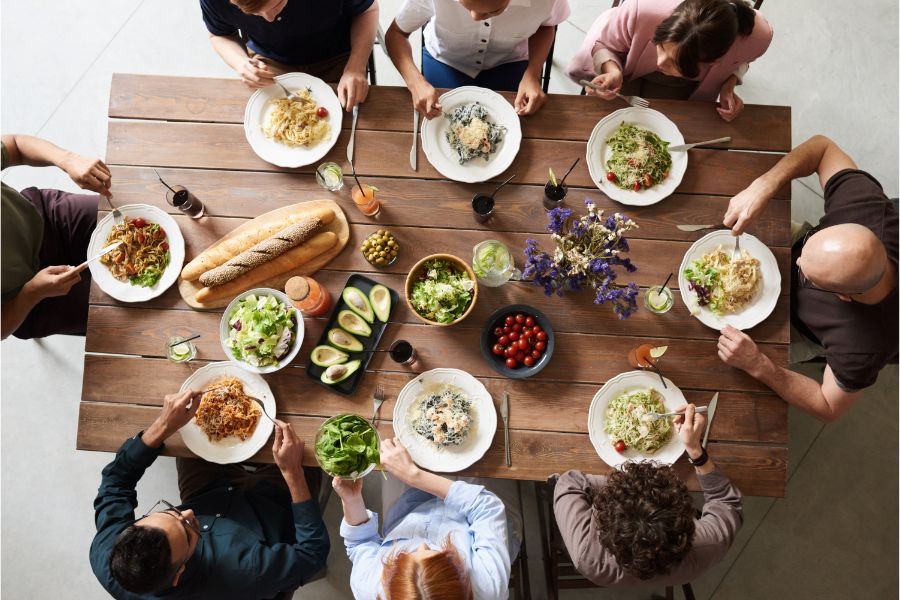
To paint a clearer picture, consider these key elements:
- Shared Traditions: Meals often celebrate cultural or familial traditions, showing how characters connect to their heritage and each other.
- Power Dynamics: Who cooks, serves, or dominates the conversation can tell us a lot about the power structures within the group.
- Personal Preferences: Characters’ choices in food can reflect their personalities or economic situations, which others might react to in various ways.
- Etiquette and Manners: How characters behave at the table can either adhere to or break social expectations, influencing how they are perceived by others.
- Communal Preparation: Cooking together can be a bonding activity, or a moment of tension, highlighting teamwork or conflict among characters.
These scenarios don’t just fill a gap in the narrative; they deepen our understanding of the characters, making the story richer and more engaging.
Conflict and Resolution Through Cuisine
When culinary clashes surface in a narrative, they often serve as a metaphor for deeper interpersonal conflicts, challenging characters to find resolution not only in their meals but in their relationships. These moments allow us to explore the psyche of our characters, understanding their values, traditions, and personal histories through how they react to and resolve these dining dilemmas.
Imagine a scene where family members argue over the preparation of a holiday meal. This scenario isn’t just about the roast or pie; it’s a safe, relatable platform to explore themes of tradition versus innovation or the struggle between individual desires and collective expectations. Through such culinary confrontations, characters are pushed to articulate their standpoints, negotiate, and perhaps even compromise, mirroring the paths we all must take to foster harmony in our own relationships.
Evolving Tastes, Evolving Characters
In any narrative, characters’ preferences in food can reflect their personal growth and adaptability. As we journey through their stories, we often see shifts in their culinary choices that mirror deeper changes within their lives. These evolving tastes can be a subtle yet powerful tool to showcase a character’s development over time.
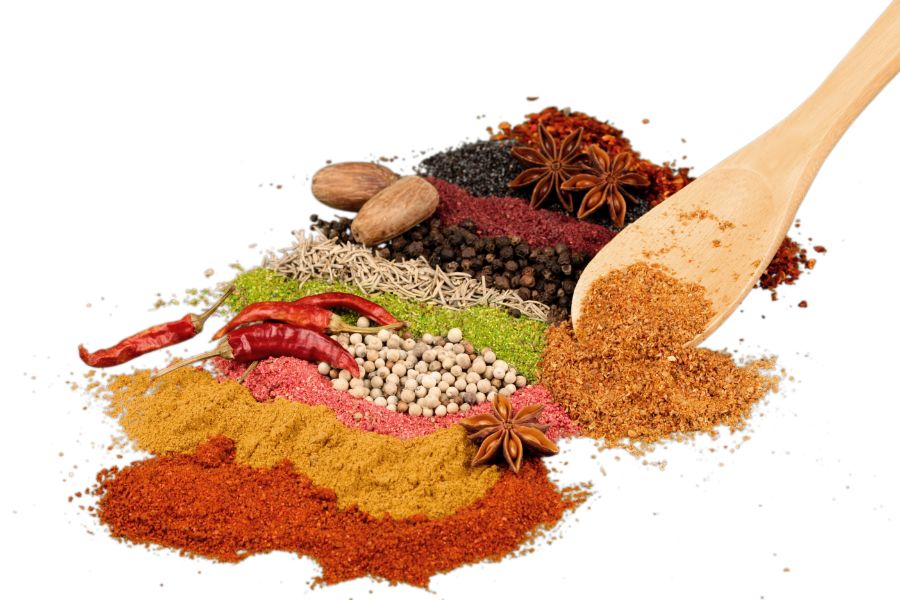
Consider how these changes in food preferences can signify transformations:
- Introduction of new spices: Embracing bold flavors can symbolize a character’s readiness to face new challenges.
- Shift from meat-heavy to plant-based diets: This might indicate a shift towards personal health consciousness or environmental awareness.
- Adoption of cultural dishes: Incorporating diverse cuisines can represent openness and acceptance of different cultures.
- Complexity of dishes: A progression from simple to more intricate recipes might mirror a character’s growing complexity and depth.
- Seasonal food preferences: Reflecting on the passage of time and the changes in their environment or internal states.